Rudram
February 23rd – 25th, 2025
Sivananda Yoga Vedanta Dhanwantari Ashram,
Neyyardam, Thiruvananthapuram
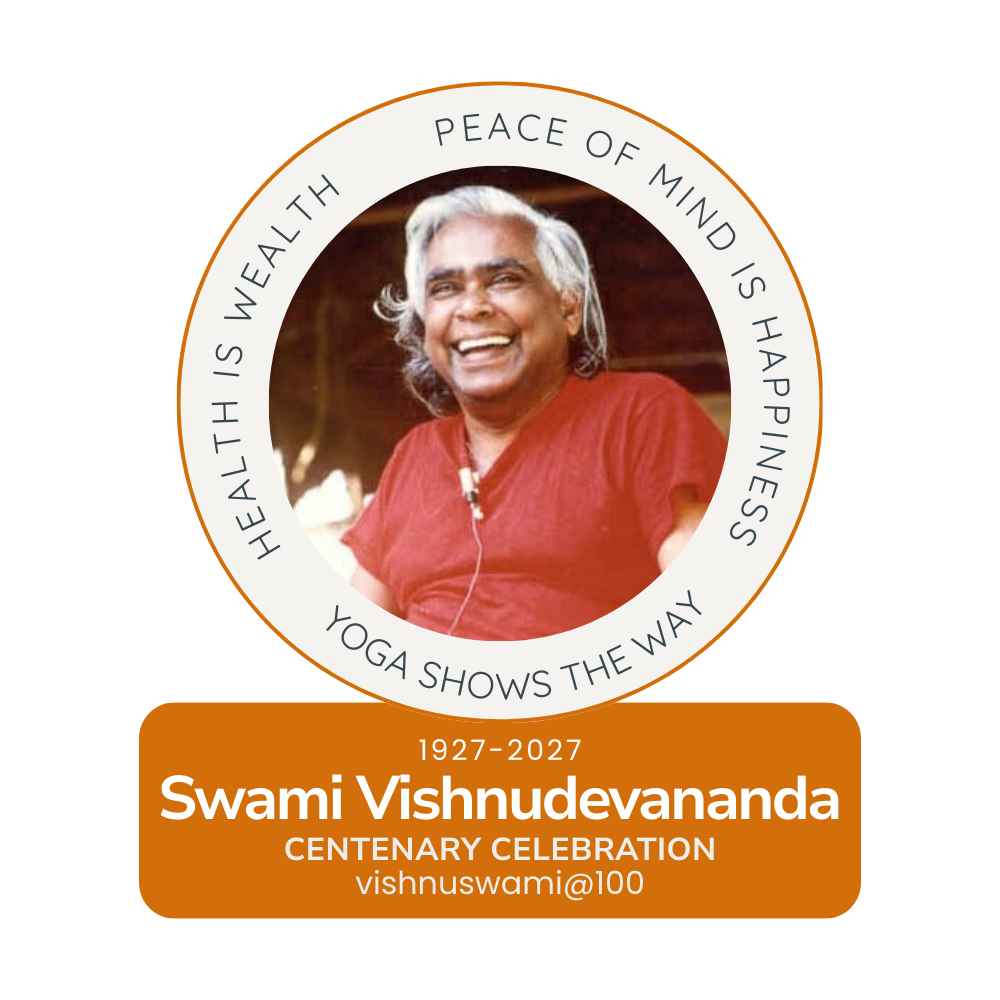
Following the legacy of Swami Vishnudevananda, a tireless advocate for peace, the Sivananda Yoga Vedanta Ashrams & Centres in India invite you to participate in the transformative Maha Rudra Homam.
Why Join?
This powerful Vedic ritual, conducted by 60 Vedic priests, is dedicated to Lord Siva to purify the soul and environment. It is more than a ceremony—it’s a global call for compassion and harmony.
Swami Vishnudevananda believed that at the heart of every conflict lies ego and the pursuit of power. By shedding these, we embrace the Oneness of all. Together, let us be a beacon of peace.
Let’s come together with thousands worldwide to create a wave of positive energy and inspire a harmonious world.
As part of the 24 month long centenary celebrations marking the 100th Birth Anniversary of Swami Vishnudevananda ji Maharaj, we cordially invite you to tbe part of this Homam
Day 1: 23rd Feb
05:00 am – 06:30 am
Ganapathy Homam
Invoking the blessings of Lord Ganesh for the removal of hurdles and the smooth conduct of the MahaRudram
07:00 am – 10:30 am
MahaRudram including
- Anygyan
A significant Vedic ritual performed for the well-being of all living beings - Vigneshwara Pooja
A ritual to honor Lord Ganesha, also known as Vigneshwara, is revered for his unique qualities and is believed to assist in achieving goals and overcoming challenges. This pooja is performed at the beginning of all auspicious acts, symbolizing the removal of obstacles and leading to the successful completion of tasks. - Punyavachanam
Also known as the purification ritual, it is performed to purify the environment of all negative energies and remove impurities. - MahaRudram Maha Sankalpam
Maha Sankalpa is a divine mantra recited to signify the place, time and the purpose of the MahaRudram ritual which is believed to create a divine atmosphere. - Krishram
A ritual seeking authority to conduct the MahaRudram by offering prayers, offerings reflecting the respect and devotion towards the deities. - Graha Preethi
A Vedic ritual that involves the worship and invocation of the nine celestial bodies, known as Navagrahas. This ritual is performed to seek blessings and positive influence from these celestial bodies. - Go Danam and Dasha Danam
Offering Donations in the form of a cow (in this case the Coconut symbolizes the cow), Sandalwood, black sesame seeds, gold, ghee, vastram(cloth), dhanyam (pulses), jaggery, silver and salt. - Acharya Varnam
Formal invitation and honoring of the Acharyas / Vedic Pandits who will be conducting the rituals involving offering of garments, garlands and expressing deep respect and gratitude for their role in the successful completion of the function. - Maha (elaborate) Nyasa (purification)
This is a spiritual practice that involves the purification of the body, mind and soul prior to the recitation of the MahaRudram. - Ashtanga Namaskara
Prostrating before the deities using the eight limbs of our body offering our respects. - Ekadasa Rudra Avahanam & Shodasha Upchara Pooja
A prayer for the removal of all obstructions - Rudra Trishathi Archana, Rudra Pradikshana, 13 Namaskaras and Chamaka Prarthana
Rituals performed before the commencement of the chanting of Rudram - Kalash Sthapana
This ritual is a symbolic representation of the Universe and the divine energy (Shakti) that sustains it. The elements used in the Kalash (Pot) are water, turmeric, mango leaves, coconut and rice which represent the five elements of nature. The ritual helps to harmonize these elements and align oneself with the cosmic forces.
11:00 am – 01:00 pm
Rudra Japam and Parayanam
Chanting of Rudram 11 times by 33 Vedic scholars amounting to 363
01:00 pm – 2:00 pm
Laghu Pooja and Karpoora Aarathi
Concluding Prayers
Day 2: 24th Feb
06:30 am – 08:30 am
MahaRudram including
- Vigneshwara Pooja
A ritual to honor Lord Ganesha, also known as Vigneshwara, is revered for his unique qualities and is believed to assist in achieving goals and overcoming challenges. This pooja is performed at the beginning of all auspicious acts, symbolizing the removal of obstacles and leading to the successful completion of tasks. - Punyavachanam
Also known as the purification ritual, it is performed to purify the environment of all negative energies and remove impurities. - MahaRudram Maha Sankalpam
Maha Sankalpa is a divine mantra recited to signify the place, time and the purpose of the MahaRudram ritual which is believed to create a divine atmosphere. - Krishram
A ritual seeking authority to conduct the MahaRudram by offering prayers, offerings reflecting the respect and devotion towards the deities. - Graha Preethi
A Vedic ritual that involves the worship and invocation of the nine celestial bodies, known as Navagrahas. This ritual is performed to seek blessings and positive influence from these celestial bodies. - Go Danam and Dasha Danam
Offering Donations in the form of a cow (in this case the Coconut symbolizes the cow), Sandalwood, black sesame seeds, gold, ghee, vastram(cloth), dhanyam (pulses), jaggery, silver and salt. - Acharya Varnam
Formal invitation and honoring of the Acharyas / Vedic Pandits who will be conducting the rituals involving offering of garments, garlands and expressing deep respect and gratitude for their role in the successful completion of the function. - Maha (elaborate) Nyasa (purification)
This is a spiritual practice that involves the purification of the body, mind and soul prior to the recitation of the MahaRudram. - Ashtanga Namaskara
Prostrating before the deities using the eight limbs of our body offering our respects. - Ekadasa Rudra Avahanam & Shodasha Upchara Pooja
A prayer for the removal of all obstructions - Rudra Trishathi Archana, Rudra Pradikshana, 13 Namaskaras and Chamaka Prarthana
Rituals performed before the commencement of the chanting of Rudram - Kalash Sthapana
This ritual is a symbolic representation of the Universe and the divine energy (Shakti) that sustains it. The elements used in the Kalash (Pot) are water, turmeric, mango leaves, coconut and rice which represent the five elements of nature. The ritual helps to harmonize these elements and align oneself with the cosmic forces.
09:00 am – 01:00 pm
Rudra Japam and Parayanam
Chanting of Rudram 22 times by 33 Vedic scholars amounting to 726
01:00 pm – 2:00 pm
Laghu Pooja and Karpoora Aarathi
Concluding Prayers
06:00 pm – 07:00 pm
Rudra Kramam
Vedic Chanting from the Krishna Yajur Veda
06:00 pm – 07:00 pm
Rudra Kramam
Vedic Chanting from the Krishna Yajur Veda
Day 3: 25th Feb
06:30 am – 08:30 am
MahaRudram including
- Vigneshwara Pooja
A ritual to honor Lord Ganesha, also known as Vigneshwara, is revered for his unique qualities and is believed to assist in achieving goals and overcoming challenges. This pooja is performed at the beginning of all auspicious acts, symbolizing the removal of obstacles and leading to the successful completion of tasks. - Punyavachanam
Also known as the purification ritual, it is performed to purify the environment of all negative energies and remove impurities. - MahaRudram Maha Sankalpam
Maha Sankalpa is a divine mantra recited to signify the place, time and the purpose of the MahaRudram ritual which is believed to create a divine atmosphere. - Krishram
A ritual seeking authority to conduct the MahaRudram by offering prayers, offerings reflecting the respect and devotion towards the deities. - Graha Preethi
A Vedic ritual that involves the worship and invocation of the nine celestial bodies, known as Navagrahas. This ritual is performed to seek blessings and positive influence from these celestial bodies. - Go Danam and Dasha Danam
Offering Donations in the form of a cow (in this case the Coconut symbolizes the cow), Sandalwood, black sesame seeds, gold, ghee, vastram(cloth), dhanyam (pulses), jaggery, silver and salt. - Acharya Varnam
Formal invitation and honoring of the Acharyas / Vedic Pandits who will be conducting the rituals involving offering of garments, garlands and expressing deep respect and gratitude for their role in the successful completion of the function. - Maha (elaborate) Nyasa (purification)
This is a spiritual practice that involves the purification of the body, mind and soul prior to the recitation of the MahaRudram. - Ashtanga Namaskara
Prostrating before the deities using the eight limbs of our body offering our respects. - Ekadasa Rudra Avahanam & Shodasha Upchara Pooja
A prayer for the removal of all obstructions - Rudra Trishathi Archana, Rudra Pradikshana, 13 Namaskaras and Chamaka Prarthana
Rituals performed before the commencement of the chanting of Rudram - Kalash Sthapana
This ritual is a symbolic representation of the Universe and the divine energy (Shakti) that sustains it. The elements used in the Kalash (Pot) are water, turmeric, mango leaves, coconut and rice which represent the five elements of nature. The ritual helps to harmonize these elements and align oneself with the cosmic forces.
09:00 am – 01:00 pm
Rudra Japam and Rudra Homam
Chanting of Rudram 13 times by 19 Vedic scholars amounting to 247
Rudra Homam presided over by 12 Vedic scholars
01:00 pm – 2:00 pm
Vasordhara Chamkakam
The Vasordhara Chamakam involves the recitation of the Sri Rudram followed by the Chamakam accompanied by the pouring of ghee in to the Yagna fire, symbolizing the continuous flow of energy and blessings. The recitation of the Chamakam is a plea for the transformation of Rudra from his fierce form to his peaceful form, offering unique blessings for prosperity, good health, wisdom, removal of negative influences and protection.
2:00 pm
Purna Ahuti & Kalasa Abhishekam
Concluding prayers and abhishekam to the various idols in the temple